
What Does It Mean When You Dream About a Wolf
This article may contain affiliate links. We may receive a commission if you make a purchase through them, at no additional cost to you.
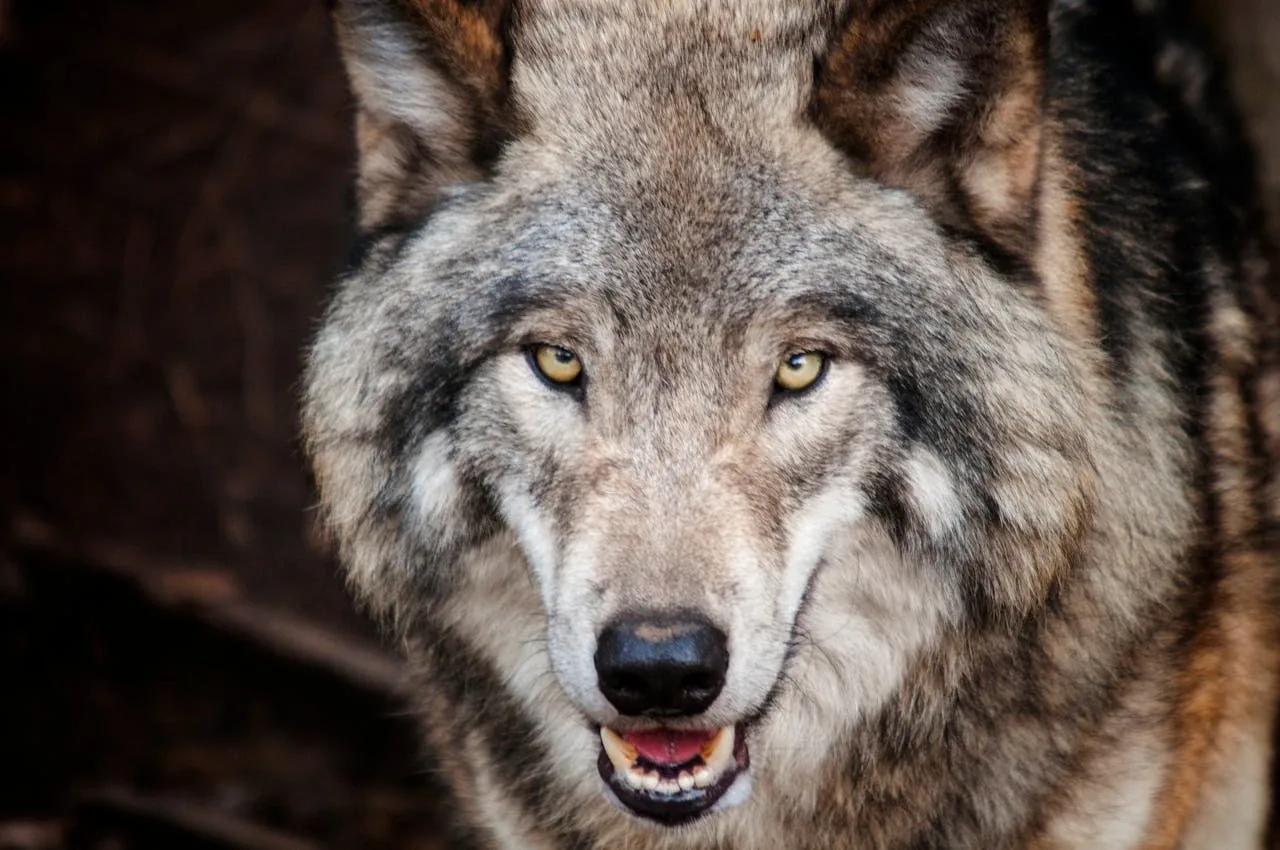
What does it mean when you dream about a wolf? This is not a neutral symbol. The wolf sits at the intersection of instinct, danger, independence, and control. It is not just an animal in the dream—it is a representation of forces you do not fully control but cannot afford to ignore.
When a wolf appears, your subconscious is not being subtle. It is pointing to instinct—raw, fast, and often uncomfortable truth. The kind of truth that does not pass through logic first.
The real question behind this dream is:
What do you already know instinctively but are refusing to act on?
THE CORE SYMBOLISM OF THE WOLF IN DREAMS
The wolf represents instinct under tension.
It combines:
intelligence
alertness
aggression (controlled or uncontrolled)
survival
loyalty
independence
Unlike other animals, the wolf is not purely chaotic. It is calculated. It watches, waits, and acts with purpose.
That is why it appears when you are dealing with:
uncertain environments
hidden threats
power dynamics
situations requiring awareness
The wolf is not noise. It is signal.
WHY WOLF DREAMS FEEL INTENSE
Wolf dreams often carry a strong emotional charge:
fear
tension
focus
adrenaline
silence before action
This happens because instinct bypasses rational filters.
In waking life, you justify, delay, and soften decisions. Instinct does not do that. It identifies threat and reacts.
The dream removes your ability to rationalize.
It shows you what your system already knows—without explanation.
PSYCHOLOGICAL MEANING OF DREAMING ABOUT A WOLF
At a psychological level, the wolf represents your relationship with instinct.
You are either:
listening to it
ignoring it
or being controlled by it
The dream appears when there is imbalance between rational thought and instinctual perception.
DREAMING OF A CALM WOLF WATCHING YOU
This is one of the most important variations.
A wolf that watches without attacking is not a threat—it is a signal.
It indicates:
heightened awareness
intuition detecting something unclear
a situation that requires attention
The wolf is not acting. It is observing.
This means you should do the same.
There is something in your environment that is not fully understood yet.
See the dream meaning about a fox.
DREAMING OF A WOLF CHASING YOU
This is direct.
You are avoiding something you perceive as threatening.
This may be:
a confrontation
a decision
a truth
a person
a responsibility
The key point is not the wolf—it is your reaction.
Running indicates avoidance.
The wolf follows because avoidance does not resolve the threat.
DREAMING OF A WOLF ATTACKING YOU
This is escalation.
The situation has moved from awareness to conflict.
It may reflect:
overwhelming pressure
fear turning into panic
a threat you can no longer ignore
loss of control
The subconscious is no longer warning. It is forcing confrontation.
DREAMING THAT YOU CONFRONT THE WOLF
This is a turning point.
You are no longer avoiding.
It indicates:
acceptance of fear
willingness to face conflict
growing control over instinct
The wolf does not disappear—but your relationship with it changes.
You move from reaction to control.
DREAMING THAT YOU KILL OR DRIVE AWAY THE WOLF
This can be misunderstood.
It may indicate:
overcoming fear
regaining control
neutralizing a threat
But it can also indicate suppression of instinct.
If you eliminate the wolf completely, you may be ignoring valuable signals.
The goal is not to destroy instinct, but to integrate it.
DREAMING THAT YOU ARE THE WOLF
This is one of the most revealing scenarios.
You are identifying with instinct.
This may indicate:
strategic thinking
controlled aggression
adaptability
independence
But it can also reflect:
manipulation
detachment
lack of empathy
The meaning depends on how you behave as the wolf.
DREAMING OF A SOLITARY WOLF
This reflects independence—and its cost.
You may feel:
self-reliant
separate from others
misunderstood
isolated
The dream shows the tension between freedom and connection.
You chose autonomy—but it comes with distance.
See the dream meaning about abyss.
DREAMING OF A PACK OF WOLVES
The meaning shifts from individual instinct to group dynamics.
A pack represents:
collective pressure
multiple threats
social hierarchy
group conflict
You may feel:
overwhelmed by others
targeted from multiple directions
unable to stand out
Or, in a positive context:
supported by a group
aligned with a collective
The emotional tone defines which one applies.
DREAMING OF A FRIENDLY OR PROTECTIVE WOLF
This is balance.
Your instinct is functioning correctly.
It indicates:
trust in intuition
ability to detect danger without panic
controlled strength
internal stability
The wolf is no longer a threat—it is an ally.
THE WOLF AS A PERSON IN YOUR LIFE
Sometimes the wolf represents someone specific.
This does not mean the person is "bad." It means you perceive them as:
dangerous
unpredictable
dominant
or extremely loyal
The dream reflects power dynamics, not moral judgment.
THE ROLE OF FEAR IN WOLF DREAMS
Fear is not the problem. It is information.
The wolf does not create fear. It reveals it.
You fear:
what you do not control
what you do not understand
what you cannot predict
The dream amplifies this to force clarity.
WHY THESE DREAMS REPEAT
Recurring wolf dreams indicate unresolved instinctual tension.
You are:
ignoring warning signs
staying in unsafe environments
avoiding confrontation
doubting your intuition
living in constant vigilance
The subconscious repeats the symbol until you act.
THE COST OF IGNORING INSTINCT
If you ignore instinct, you become vulnerable.
You may:
trust the wrong people
stay in harmful situations
delay necessary action
miss critical signals
Instinct exists to reduce risk.
Ignoring it does not eliminate danger—it increases it.
THE COST OF OVERREACTING TO INSTINCT
The opposite extreme is also dangerous.
If you overreact:
you become paranoid
you isolate yourself
you see threats everywhere
you lose balance
The goal is not fear—it is accuracy.
CONTROLLED INSTINCT VS REACTIVE INSTINCT
This is the central distinction.
Controlled instinct:
observes first
acts with precision
remains stable
Reactive instinct:
panics
overreacts
creates unnecessary conflict
The wolf in your dream shows which mode you are in.
WHAT YOU SHOULD DO AFTER THIS DREAM
Do not ignore it. Calibrate.
Ask directly:
What situation feels unsafe?
What am I sensing but not addressing?
Where am I ignoring clear signals?
Am I avoiding or overreacting?
Who or what requires boundaries?
Then act.
Concrete actions:
trust your intuition, but verify facts
set clear boundaries where needed
confront situations you are avoiding
remove yourself from toxic environments
stop rationalizing obvious risks
The goal is not to eliminate fear.
The goal is to use it correctly.
THE DEEPER MEANING OF THE DREAM
At a deeper level, the wolf represents your survival system.
It is not negotiable. It exists to protect you.
The dream is asking:
Are you using it—or ignoring it?
FINAL CONCLUSION
What it means when you dream about a wolf is not about danger—it is about instinct.
The dream evaluates:
your awareness
your boundaries
your response to threat
your balance between fear and control
If you ignore instinct, the wolf becomes a threat.
If you integrate it, the wolf becomes protection.
The wolf is not your enemy.
It is the part of you that already knows what is real.
The only question is whether you are willing to listen.
Related articles

The Meaning of Dreams About Clowns: What It Means When You Dream of Clowns
The meaning of dreams about clowns depends on emotions, context, and details: they can point to change, a social mask, confusion, or emotional release. What it means when you dream of clowns becomes clear when you analyze the clown’s actions and how you feel in the dream.
Read →
The Meaning of Avalanche Dreams: What They Mean and How to Interpret Them
The meaning of avalanche dreams can reflect stress, loss of control, or accumulated tension—but it can also point to a possible transformation. Interpretation depends on details: the emotion in the dream, the scene (far away, trapped, saved), and what’s happening in your life.
Read →
The Meaning of Monster Dreams: What They May Reveal
The Meaning of monster dreams often reveals fears, anxieties, and parts of yourself you haven’t fully accepted. Interpretation depends on your emotion, the context, and how you respond in the dream.
Read →